
Warm, dry stretches in SW Washington and the Portland Metro often bring more visible pest activity around homes. Ant trails appear near kitchens and patios, spiders build around lights and eaves, and wasps become increasingly defensive as colonies grow. A few practical habits can reduce the conditions that make a property attractive.
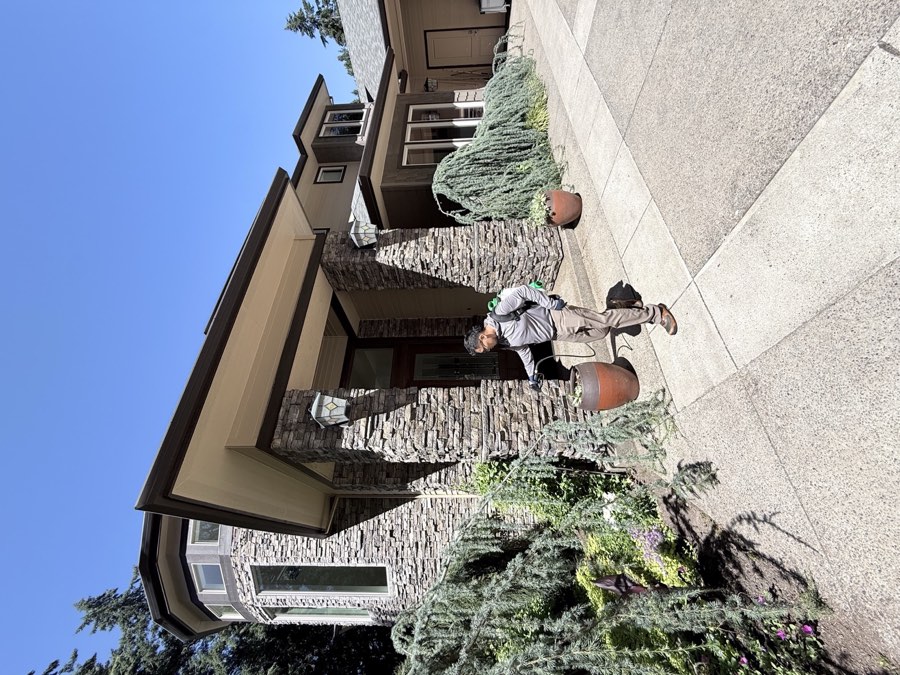
Start with the exterior
Pests usually reach indoor spaces from outside. Check door sweeps, utility penetrations, torn screens, siding gaps, and places where pipes enter the home. Trim vegetation that rests against siding or the roofline and move stored items away from the foundation when practical.
Reduce ant pressure
Clean food residue promptly, store sweet or greasy foods in sealed containers, and rinse recycling. Outdoors, correct leaking hose bibs and irrigation problems. Avoid spraying only the ants you can see: depending on the species, that can scatter activity without addressing the colony. Persistent trails are a good reason to request an inspection.
Make eaves less inviting to spiders
Exterior lighting attracts flying insects, which provide food for spiders. Consider less-attractive warm-colored bulbs where appropriate, remove webs periodically, and reduce clutter near porches and garages. Web removal is useful, but it works best alongside treatment and reducing insect activity.
Watch wasp activity from a safe distance
Repeated flight into a wall opening, eave, shrub, or ground void may indicate a nest. Do not seal an active opening before the colony is addressed, and do not place yourself on an unstable ladder to reach a nest. Our wasp treatment guide explains when calling is the safer choice.
When recurring protection helps
One-time service can address an immediate concern. Recurring general pest protection is often a better fit when a home sees predictable activity throughout the seasons. It helps maintain exterior coverage and provides regular opportunities to catch changing conditions early.
General pest service may cover ants, spiders, earwigs, crickets, silverfish, centipedes, millipedes, pill bugs, wasps around the structure, and similar occasional invaders. Active cockroach infestations and rodent issues require separate specialty plans.